
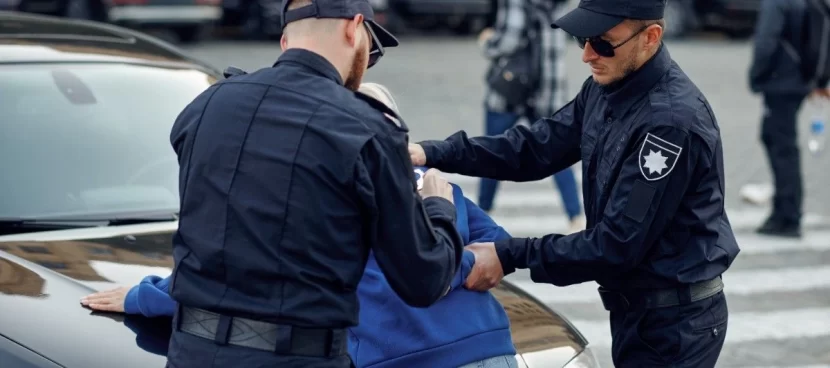

Miranda rights primarily govern custodial interrogation, not every conversation between police and the public. The familiar warnings protect the Fifth Amendment right against compelled self-incrimination by requiring specific safeguards before police interrogate a person who is in custody.
That distinction matters because being questioned, being detained, being arrested, and being in custody for Miranda purposes are related concepts but are not always legally identical.
When Are Miranda Warnings Required?
Two elements generally trigger Miranda protections: custody and interrogation. Constitution Annotated materials describe the rule as applying when law enforcement questions a person who has been taken into custody or otherwise subjected to a comparable restraint on freedom.
Whether someone is in custody is evaluated objectively in context. A police officer does not trigger Miranda merely by privately considering someone a suspect.
People searching broadly for explanations may encounter mixed-topic publications such as Sheffield online articles, but constitutional questions should be checked against controlling court decisions and authoritative legal materials.
What Rights Must the Warning Communicate?
Before custodial interrogation, a suspect must be informed of the right to remain silent, that statements can be used as evidence, the right to counsel, and the availability of appointed counsel for a person who cannot afford an attorney.
A valid warning need not necessarily follow one exact script word for word, but it must adequately communicate the required protections.
| Situation | Miranda Usually Required? | Main Reason |
|---|---|---|
| Casual voluntary conversation | Generally no | No custody |
| Custody without interrogation | Not solely because of custody | Interrogation element absent |
| Custodial interrogation | Generally yes | Both elements present |
| Voluntary statement | Depends on circumstances | May not result from interrogation |
Readers may come across general legal categories on destinations such as Nottingham digital publications. Those materials should not be treated as substitutes for case-specific analysis of custody and questioning.
What Happens After Someone Invokes a Right?
A suspect may choose to remain silent or request counsel. Constitution Annotated explains that when a suspect invokes the right to silence, interrogation must cease in accordance with Miranda doctrine, and requests for counsel receive additional protection against police-initiated questioning.
A person may also waive Miranda rights. A valid waiver must meet constitutional standards, and disputes can arise over what was said, whether the invocation was sufficiently clear, and whether later questioning was permitted.
Broader web reading, including Hull-based general articles, cannot resolve those fact-specific issues.
What People Often Get Wrong About Miranda
The most common misconception is that police must read Miranda rights the moment they arrest someone. The rule is tied to custodial interrogation, so an arrest without questioning does not necessarily require immediate warnings.
Another misconception is that failure to give warnings automatically makes the arrest itself invalid or causes criminal charges to disappear. Miranda generally concerns whether statements obtained through custodial interrogation may be used by prosecutors, although related facts and exceptions can complicate the analysis.
When Legal Advice May Matter Quickly
A defense lawyer should be considered when a custodial statement may be used in a criminal case, questioning continued after a request for counsel or silence, or there is disagreement over whether the person was actually free to leave.
The Constitution Annotated Miranda requirements provide an authoritative overview of the federal doctrine. State constitutions and state evidentiary rules can sometimes provide protections beyond the federal baseline.
Frequently Asked Questions
Do Miranda rights apply during every traffic stop?
Not automatically. Many routine roadside interactions do not amount to Miranda custody. The circumstances can change, however, if the restraint and questioning develop into a custodial situation under the applicable legal test.
Can someone choose to answer some questions but not others?
A suspect’s statements and invocation of rights are evaluated in context. Because partial answers can have legal consequences, anyone facing custodial questioning should understand that speaking voluntarily may provide information investigators can use.
Are voluntary statements made before questioning covered by Miranda?
Miranda focuses on custodial interrogation. A genuinely volunteered statement that was not produced by interrogation may be treated differently from an answer officers deliberately elicited through custodial questioning.
Understand the Difference Between Arrest and Interrogation
Miranda is not a universal warning requirement attached to every police encounter. Its central focus is custodial interrogation and protection against compelled self-incrimination. When the timing of warnings, a request for counsel, or the circumstances of questioning could affect a criminal case, the exact sequence of events should be documented and reviewed under the controlling law.
This article provides general legal information and is not a substitute for advice from a qualified attorney.













Leave a Reply