
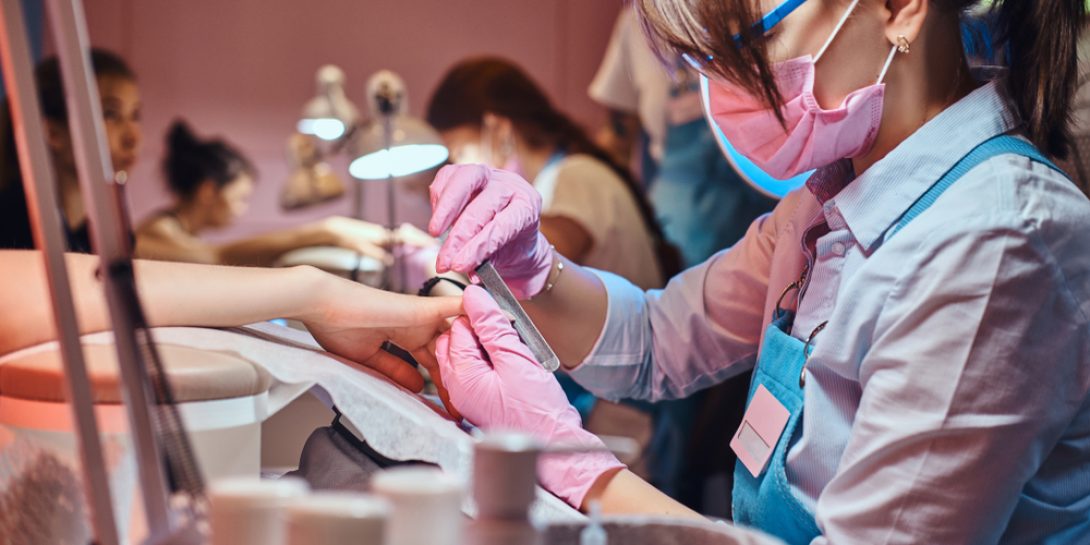

Nail salon laws combine professional licensing rules with sanitation requirements and workplace protections. Manicures, pedicures, artificial nail applications, adhesives, removers, and other services can expose workers and clients to chemicals or biological hazards, making compliance broader than simply keeping stations visibly clean.
Licensing Rules Cover Workers and Facilities
States commonly regulate nail technicians and the establishments where nail services are performed. The exact licensing categories differ.
Pennsylvania’s State Board of Cosmetology, for example, regulates nail technicians as well as nail technology salons and addresses licensure, discipline, and unlicensed practice. Pennsylvania also requires salons to complete the applicable licensing and inspection process before operation.
Owners may read Florida market coverage while planning business activity, but regulatory decisions should be based on the licensing rules governing the salon’s actual location.
Ventilation and Chemical Exposure Matter
Nail products may contain substances capable of irritating the skin, eyes, or respiratory system. OSHA identifies chemical, ergonomic, and biological hazards among the workplace issues facing nail salon workers.
The agency’s nail-salon standards page points to potentially applicable federal requirements involving personal protective equipment, sanitation, respiratory protection, and hazard communication.
| Hazard | Possible Control | Compliance Focus |
|---|---|---|
| Chemical vapors | Effective ventilation | Exposure reduction |
| Product handling | Labels and safety information | Hazard communication |
| Used implements | Cleaning and disinfection | Infection control |
| Repetitive work | Better workstation setup | Worker protection |
Sanitation Rules Protect Both Sides of the Table
Reusable instruments can create infection risks if cleaning and disinfection procedures are skipped or rushed. Foot spas, files, reusable tools, work surfaces, and linens may all fall under detailed state rules.
Ohio requires salons to have facilities for disinfecting instruments and to remain clean, sanitary, and properly ventilated. Its infection-control regulations require dirty equipment to be separated from clean items.
Regional Pennsylvania commercial reporting may discuss the salon sector, but operators should rely on the state board for binding sanitation standards.
Employee Status Can Affect Legal Responsibilities
Some nail technicians are employees, while others work under rental or independent-business arrangements. Simply calling someone an independent contractor does not always settle the issue.
OSHA explains that agencies and courts can look at factors such as who controls schedules, prices, appointments, tools, customer relationships, and payment.
Owners using Ohio industry news for general business awareness should therefore keep employment, licensing, tax, and occupational-safety requirements separate when reviewing compliance.
What Nail Salons Commonly Misunderstand
Strong chemical odors are sometimes treated as an unavoidable part of nail work. That assumption can lead businesses to overlook ventilation, product handling, and worker exposure.
Another mistake is disinfecting an item that should actually be discarded after one use. Salons need to distinguish between reusable tools that can be properly processed and porous or single-use materials that state regulations may require them to discard.
When Should Professional Help Be Sought?
Legal or regulatory assistance may be useful when a salon receives a licensing complaint, OSHA inquiry, inspection citation, wage claim, worker-classification dispute, chemical-exposure complaint, or customer injury allegation.
Workers experiencing serious workplace exposure should follow appropriate medical and workplace-reporting procedures. Employers should consult current OSHA requirements and their state licensing authority rather than relying solely on product labels or informal salon practices.
Frequently Asked Questions
Does OSHA regulate nail salons?
Federal OSHA standards can apply to workplace hazards in nail salons, including certain chemical, sanitation, personal protective equipment, and hazard-communication issues.
Must nail salons have ventilation?
Requirements depend on the jurisdiction and workplace conditions. State facility regulations may expressly require proper ventilation, while occupational-safety obligations may also apply to hazardous exposures.
Can an unlicensed person perform nail services?
Regulated nail services generally require the applicable professional credential. The precise definition of regulated services and available exemptions varies by state.
Treat Safety as Part of the Business Model
A compliant nail salon needs more than attractive workstations. Licensing, disinfection, ventilation, employee protection, chemical information, and customer-safety procedures should operate together.
Reviewing the current licensing-board rules and OSHA guidance whenever products, ventilation systems, staffing arrangements, or services change can prevent small operational shortcuts from becoming larger legal problems.
This article provides general legal information and is not a substitute for advice from a qualified attorney or the applicable regulatory authority.








Leave a Reply