
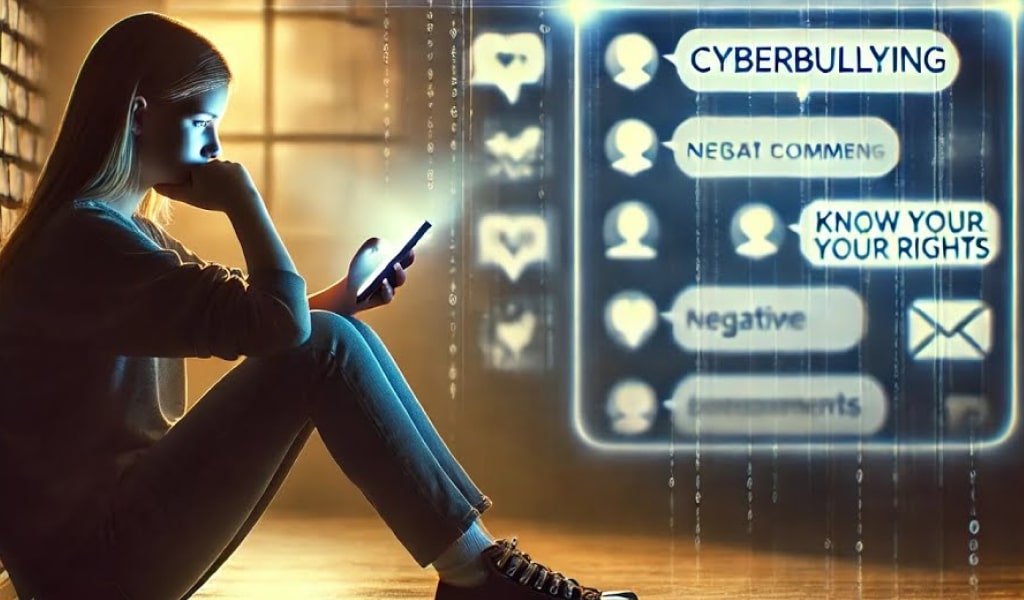

Cyberbullying can involve repeated messages, humiliating posts, threats, impersonation, doxxing, unwanted contact, or coordinated harassment. U.S. law does not treat every offensive online interaction as the same offense. The legal response may depend on age, location, conduct, intent, frequency, threats, school involvement, and the harm caused.
Some cases remain disciplinary matters, while others can trigger civil or criminal law.
How Cyberbullying Laws Differ Across Jurisdictions
States have their own approaches to bullying, harassment, stalking, threats, and school discipline. School-related cyberbullying rules can also differ from criminal statutes that apply to adults.
Anyone starting with general public records information should confirm the law in the relevant state before assuming a definition or penalty applies nationally.
Conduct Matters More Than the Label
“Cyberbullying” is a broad everyday term. A lawyer, school, police department, or court may instead analyze the behavior under statutes addressing stalking, harassment, threats, extortion, impersonation, or unlawful disclosure.
The legal label can therefore be different from the description used by a victim or platform.
When Online Harassment May Become More Serious
Repeated unwanted contact combined with threats or surveillance can create substantially different legal concerns from a single rude message. Federal law can also become relevant in particular circumstances involving electronic communications and stalking.
Current federal law under 18 U.S.C. § 2261A addresses certain stalking conduct involving interactive computer services and electronic communications.
Broader justice-related reference material can help organize research topics, but the statutory elements must still be checked directly.
| Behavior | Possible Legal Issue | Important Context |
|---|---|---|
| Repeated unwanted messages | Harassment/stalking | Pattern and intent may matter |
| Credible threats | Criminal threat laws | Language and circumstances matter |
| Fake account impersonation | Fraud or impersonation rules | Purpose and resulting harm matter |
| Posting private details | Privacy/doxxing issues | State law may differ |
Evidence Can Decide Whether a Pattern Is Visible
Cyberbullying often happens across texts, social platforms, gaming services, email, and multiple accounts. Looking at a single message may hide the pattern.
People examining online communication material should preserve the original evidence instead of relying on memory. Screenshots are useful, but keeping usernames, timestamps, URLs, message headers, and the surrounding conversation gives more context.
Blocking an account may protect the user, but evidence should be saved first when doing so is safe.
What People Often Get Wrong
Not every insulting statement is automatically a crime. The First Amendment protects substantial amounts of offensive speech, although it does not eliminate legal consequences for conduct falling within recognized areas such as certain threats, stalking, or other unlawful behavior.
At the same time, dismissing serious conduct as “only online” can be a mistake. Repetition, threats, location tracking, impersonation, attempts to contact family members, or movement from digital harassment into physical-world conduct may significantly change the situation.
When Should Outside Help Be Sought?
Immediate threats of violence, stalking behavior, disclosure of a home location for threatening purposes, extortion, sexual exploitation, or escalating attempts to make physical contact deserve prompt attention.
Preserve evidence and use platform reporting tools where appropriate. A school may need to be contacted when students are involved, while law enforcement or a qualified attorney may be appropriate for serious threats, stalking, or potential criminal conduct. Emergency threats should be handled through emergency services rather than delayed for online advice.
Frequently Asked Questions
Is cyberbullying automatically a crime?
No. The conduct may violate school policies, civil law, platform rules, or criminal statutes depending on the facts and jurisdiction.
Should cyberbullying messages be deleted?
Preserving copies first is often useful. Save screenshots, account names, dates, URLs, and related messages before blocking or deleting material when it is safe to do so.
Can anonymous online harassment still be investigated?
Potentially. An anonymous username does not necessarily mean the person is technically untraceable, although identifying someone may require platform records and legal process.
Document the Pattern, Not Only the Worst Message
Legal consequences usually depend on what actually happened rather than whether someone calls it cyberbullying. Preserve the complete communication history, identify any threats or repeated behavior, and determine which state or federal rule may apply. Serious or escalating conduct should be addressed early instead of allowing valuable evidence to disappear.
This article provides general legal information and is not a substitute for advice from a qualified attorney.












Leave a Reply