
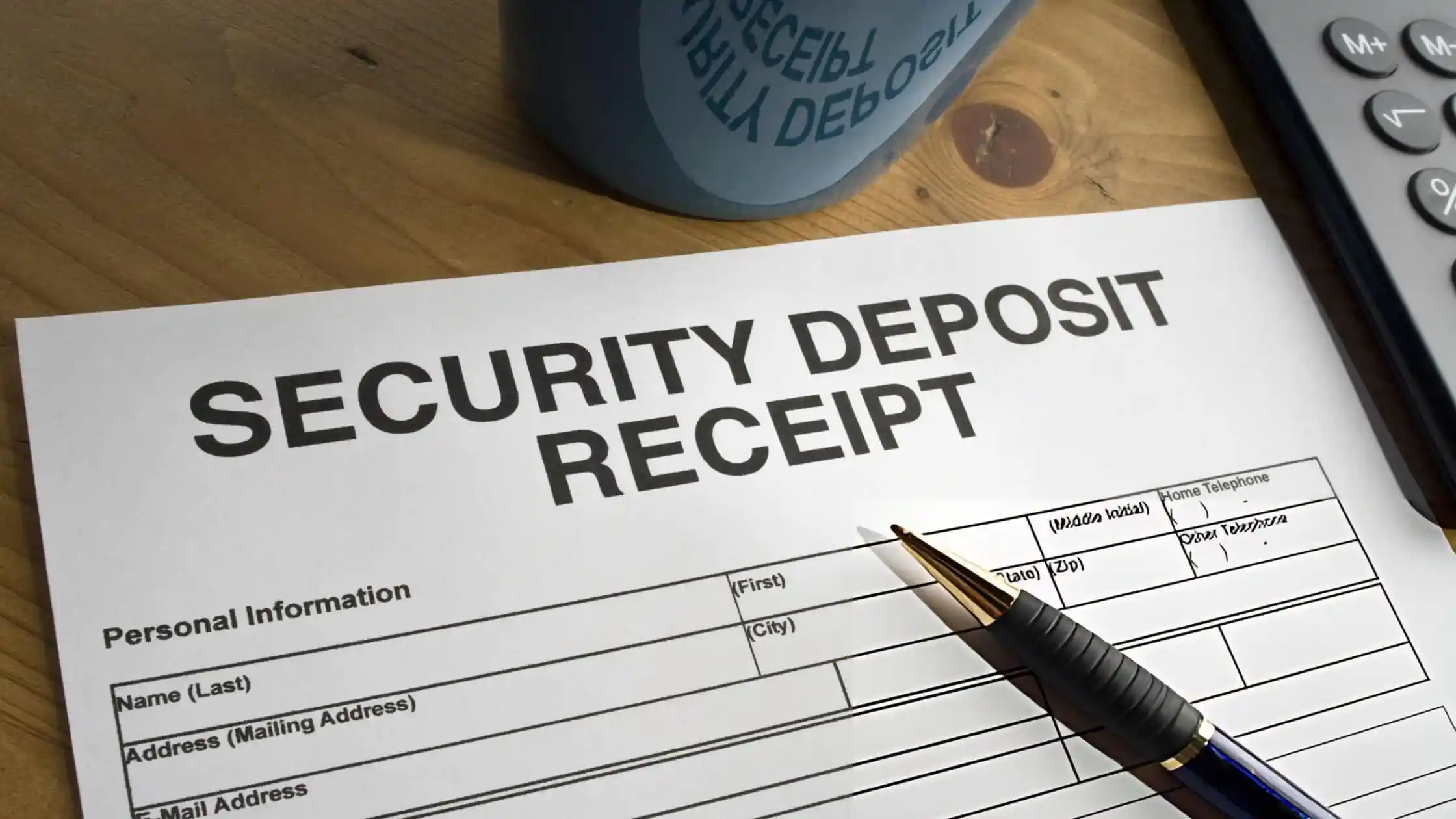

Security deposit laws govern how rental deposits may be collected, held, deducted, documented, and returned, but the details differ considerably from one state or locality to another. A landlord may have a legitimate claim for certain tenant-caused losses while still being required to follow rules governing itemization, timing, records, and the remaining refund.
State Law Usually Controls the Deposit Rules
Security-deposit limits and refund procedures are commonly matters of state law. Some jurisdictions regulate how much can be collected, where deposits must be held, whether interest applies, and how quickly the balance must be returned after the tenancy ends.
USAGov recommends starting with the lease and then checking state-specific tenant-rights resources when a rental dispute arises.
A renter using deposit dispute references should therefore treat general articles as background rather than assume they supply the deadline applicable to a particular address.
What Can Landlords Deduct From a Deposit?
Permitted deductions vary, but disputes often concern unpaid rent, cleaning obligations, missing property, or physical damage beyond ordinary use. The distinction between normal wear and tenant-caused damage can become especially important.
Photographs from move-in and move-out can provide practical evidence. Written inspection reports, repair invoices, lease clauses, and dated communications can also help establish what condition existed and when.
Broader rental rule references may help clarify the types of issues involved, but local law determines which deductions are legally permitted.
Why Itemized Records Matter
Where local law requires an itemized statement, the landlord may need to explain deductions rather than simply keep the entire deposit without detail. Requirements concerning mailing addresses, deadlines, documentation, or delivery methods differ.
| Deposit Issue | Useful Evidence | Question to Check |
|---|---|---|
| Existing damage | Move-in photos | Was it already present? |
| New damage | Move-out photos | Who caused it? |
| Cleaning charge | Lease and receipts | Is the charge permitted? |
| Refund balance | Statement and payment | Was it returned on time? |
The CFPB has documented consumer complaints involving disputed rental debts and deposit-related charges, illustrating why records can matter after move-out.
What Happens When Deposit Charges Become a Debt Dispute?
A landlord may sometimes claim that damages exceed the deposit and seek additional payment. If the account later reaches a debt collector, separate federal debt-collection protections may become relevant.
CFPB guidance explains that covered debt collectors cannot use unfair, deceptive, or abusive practices to collect rental debts.
General renter-rights guidance can help frame questions, but disputed charges should be compared with the lease, photographs, invoices, deposit statement, and governing law.
Where Deposit Disputes Commonly Go Wrong
Neither side should assume that every repair automatically belongs to the tenant. Property age, prior condition, normal deterioration, lease terms, and local law may affect responsibility.
Tenants can also weaken legitimate objections by failing to provide a forwarding address, keeping no photographs, or throwing away the landlord’s deduction statement. Small documents often become important evidence later.
When Should You Get Legal Assistance?
Consider local legal help when a large deposit is withheld, deductions appear unsupported, the landlord claims additional debt, collection activity begins, or statutory deadlines may have been missed. USAGov lists legal-aid resources that include landlord-tenant disputes.
Before seeking help, organize the lease, payment proof, photographs, inspection reports, correspondence, and deduction notice.
Frequently Asked Questions
Can a landlord keep a security deposit for normal wear?
Rules differ by jurisdiction, and the difference between normal wear and damage is fact-specific. Check the applicable state law, lease, property condition, and supporting documentation.
How long does a landlord have to return a deposit?
There is no single nationwide deadline for ordinary private rentals. The applicable period depends mainly on state law and sometimes local requirements.
Are move-out photographs worth keeping?
Yes. Dated photographs can help document the condition of walls, floors, appliances, fixtures, and other areas when a later deduction is disputed.
Document the Property Before the Dispute Starts
The strongest deposit record is usually created before anyone expects a disagreement. Keep the lease, photograph the unit at move-in and move-out, retain payment records, and request required documentation for deductions. If significant money remains disputed, compare the landlord’s explanation with the law that actually governs the rental.
This article provides general legal information and is not legal advice. Security deposit requirements vary by state and locality.












Leave a Reply